

U.S. West Texas Intermediate (WTI) crude oil futures advanced on Friday, staging a partial recovery from recent sessions as physical market participants tracked intense diplomatic balancing acts. However, despite the daily gains, the benchmark remains on course to log a steep weekly loss of roughly 6% due to volatile, headline-driven swings. Global energy inventories are depleting at an alarming rate, and upward pressure on prices remains intact due to broader supply deficits that have removed roughly 14 million barrels per day or 14% of global supply from active circulation.
Negotiations to end the two-month-old conflict, which began with joint U.S.-Israeli operations in late February, are encountering severe resistance over key sovereign and structural demands. Diplomatic efforts, facilitated through Pakistani mediators in Islamabad, are currently deadlocked on two critical strategic fronts. First, negotiations hit a major structural hurdle following reports that Iran’s Supreme Leader issued a directive prohibiting any enriched uranium from leaving the country, directly challenging Washington’s primary demand for a permanent diplomatic resolution. Second, the vital maritime transit route through the Strait of Hormuz remains severely restricted, with flows slowing to a minimal fraction of normal capacity. The state oil firm ADNOC noted that full normalization of energy flows through the passage will likely not materialize before the first or second quarter of 2027, even if an immediate diplomatic resolution is reached.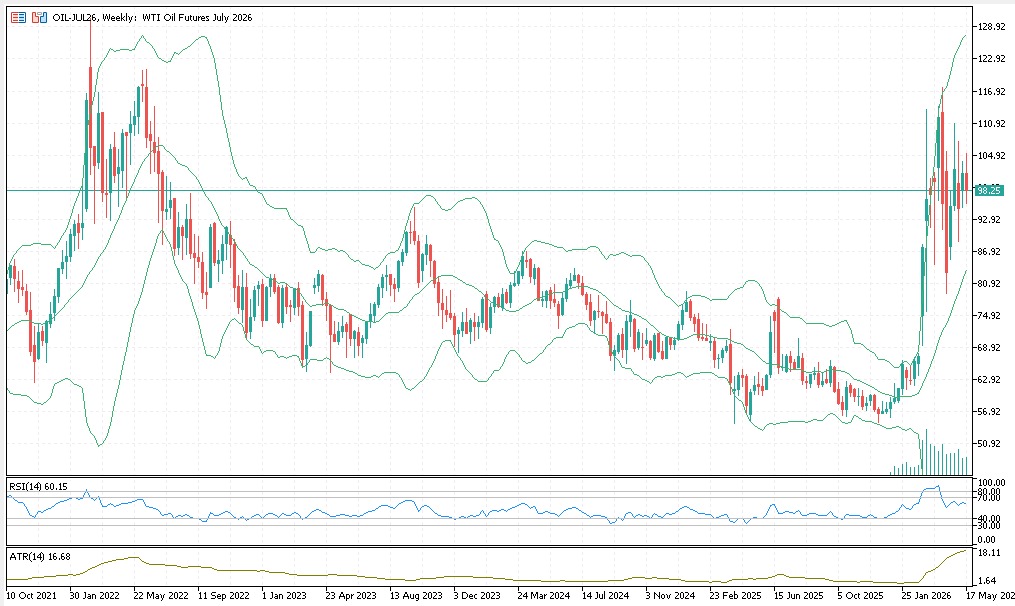
The White House has sharpened its policy parameters regarding the ongoing maritime blockade and the baseline requirements for a comprehensive regional settlement. President Donald Trump issued a direct directive clarifying that the U.S. will not permit Tehran to retain its highly enriched uranium stockpile under any future permanent arrangement, confirming that the U.S. intends to take possession of the highly enriched material to ensure it is dismantled or destroyed. Additionally, President Trump explicitly opposed ongoing discussions between Iran and Oman regarding the establishment of a toll or service-fee framework for vessels traversing the Strait of Hormuz, reiterating that the passage constitutes an international waterway under maritime law and must remain completely free of transit tariffs. The administration asserted that U.S. forces maintain complete operational control over traffic in the strategic waterway, describing the enforced U.S. blockade on shipping targeting Iranian ports as entirely restrictive and operating effectively to halt unauthorized transit. Furthermore, the White House indicated it is extending the current unstable ceasefire window for a limited period to allow mediated discussions to continue, viewing the current phase as a final diplomatic opportunity before determining whether to resume broader military operations.
Beyond the immediate WTI pricing fluctuations, structural shifts continue across major global energy hubs. In Asia, China’s refined fuel exports for June are expected to expand only marginally to approximately 550,000 metric tons, up from an estimated 500,000 tons in May, as domestic state refiners prioritize safeguarding internal inventory requirements. Meanwhile, seven leading producers within the OPEC+ alliance are projected to evaluate a modest output increase for July during the upcoming ministerial gathering on June 7.
However, the operational capacity of several member states remains fundamentally constrained by the physical infrastructure damage and shipping disruptions resulting from the conflict.