
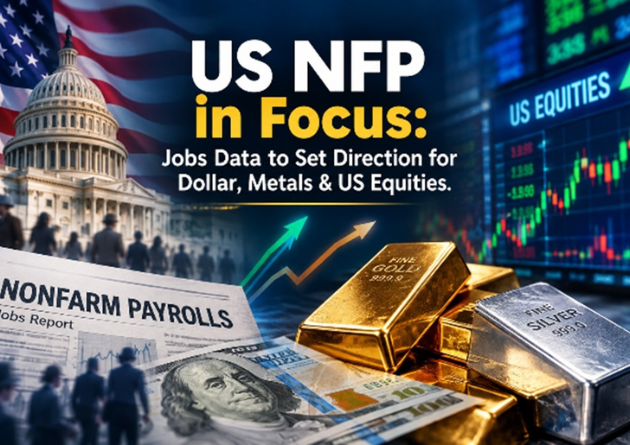
The US September Nonfarm Payrolls (NFP) report is scheduled for release today, October 2, at 5:30pm, with markets closely watching the data for fresh signals on the Federal Reserve’s next policy move. August payrolls increased by 162,000, while the unemployment rate remained at 4.1%. For September, economists are broadly expecting a much slower increase of around 84,000–90,000 jobs, with unemployment expected to remain near 4.1%.
The main market question is whether the September slowdown represents a further cooling of the US labour market or simply moderation after August’s stronger rebound. A weaker-than-expected payroll number would generally strengthen expectations that the Federal Reserve may avoid another near-term rate hike, particularly after recent softer inflation data and dovish comments from Fed officials. On the other hand, a stronger employment report could revive expectations for tighter monetary policy and support US Treasury yields.
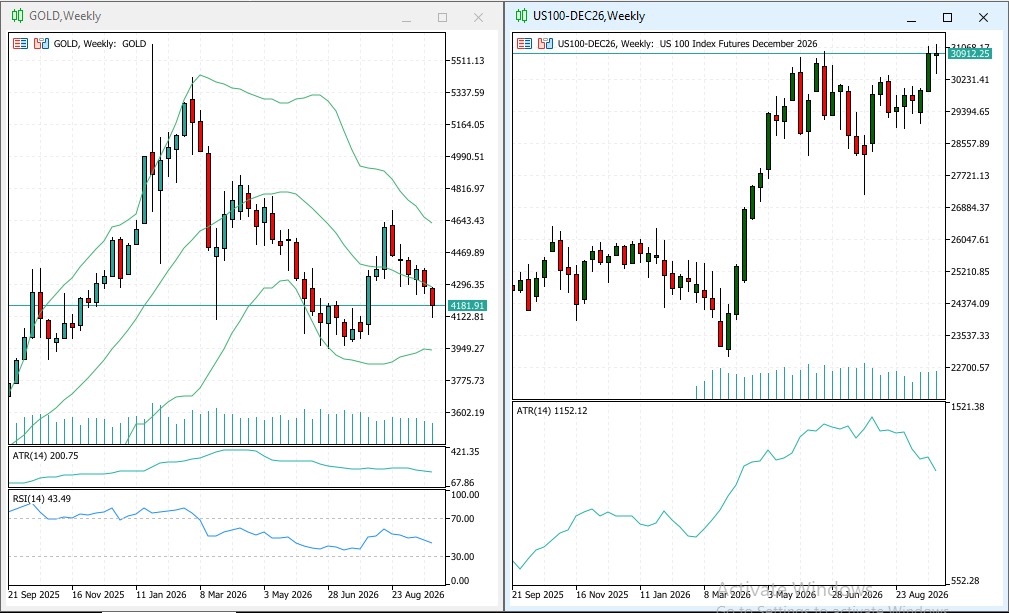
For gold, the reaction will largely depend on the combination of NFP, wages and unemployment. A weak jobs report could pressure the US dollar and Treasury yields, creating a supportive environment for gold. However, a strong payroll number accompanied by firm wage growth could lift yields and the dollar, increasing pressure on the non-yielding metal. Gold has already faced pressure from elevated yields and dollar strength, making the NFP release particularly important for its short-term direction.
Platinum and silver are also likely to react to the same interest-rate channel. A softer labour-market report could reduce expectations for additional Fed tightening and provide some relief to precious metals. Platinum, however, faces an additional fundamental challenge because the market is expected to remain in surplus, while automotive demand is under pressure. Therefore, even if a softer NFP supports the precious-metals complex, platinum’s upside may remain dependent on both macro conditions and industrial demand.
For US equities and global stocks, the NFP result creates a two-sided setup. A moderate or weaker payroll number could support rate-sensitive technology and growth stocks if it lowers expectations for further tightening. However, an extremely weak number could raise concerns about economic growth and corporate earnings. A stronger-than-expected report could support the growth outlook but may simultaneously push Treasury yields higher, creating pressure on high-valuation and rate-sensitive equities.
In the currency market, the US dollar is likely to remain highly sensitive to the employment data. The dollar is currently trading near a 17-month high, with DXY around 101.93, while EUR/USD is near $1.1250. A stronger NFP could reinforce dollar demand through higher-rate expectations, potentially weighing on EUR/USD, GBP/USD and AUD/USD. Conversely, a weak employment report could reduce rate-hike expectations and trigger some dollar profit-taking.
Overall, the September NFP report is likely to be a major volatility catalyst across gold, platinum, silver, US equities and major currency pairs. The market should not focus on payrolls alone: the unemployment rate, average hourly earnings and any revisions to August employment will be equally important. A softer jobs figure combined with moderate wage growth would generally reduce near-term tightening expectations, while strong payrolls and firm wages could reinforce dollar and yield strength. Traders should therefore wait for the full employment report and confirmation from price action before taking directional positions.