

Oil prices advanced to secure their first weekly gain in three weeks, driven by escalating maritime security threats and lingering supply risks across Middle Eastern transit corridors. Benchmark U.S. West Texas Intermediate (WTI) crude futures rose past $82 a barrel. The center of market anxiety remains the Strait of Hormuz, a critical maritime choke point that historically carries roughly one-fifth of global oil and liquefied natural gas supplies. A recent uncrewed aerial vehicle attack on a commercial tanker attempting to exit the strait highlighted the heightened operational hazards in the region, leaving international supply flows constrained and highly sensitive to further disruptions.
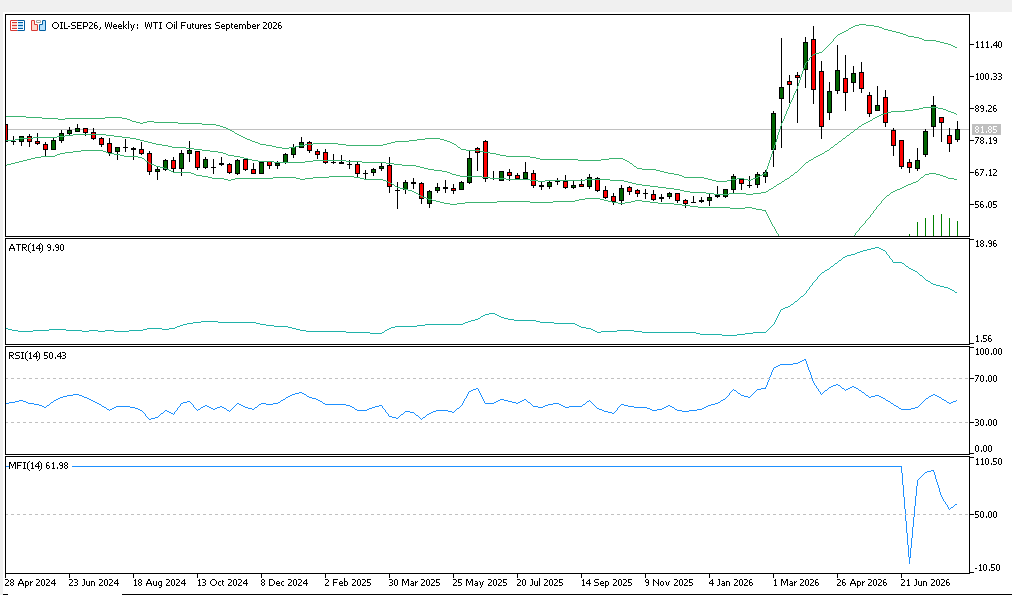
The market momentum reflects an intensifying geopolitical deadlock over control of the waterway. While Iranian authorities assert jurisdiction over the strait and have implemented commercial shipping restrictions, U.S. forces are increasing their capacity to escort merchant vessels through the passageway. Washington has signaled a willingness to maintain a continuous naval blockade of Iranian ports while preparing unprecedented economic measures intended to leverage financial pressure on Tehran. In response, Iranian legislative committees have advanced strategic action plans aimed at formally banning vessels owned by hostile nations, reinforcing a standoff that offers little immediate hope for a diplomatic resolution.
Beyond the immediate transit route, security risks have rippled through regional energy infrastructure and secondary maritime paths. Attacks on state-owned tankers in the Persian Gulf and drone strikes targeting coastal refining facilities, including those near the Red Sea, have added substantial war risk premiums to global trade. Commercial operators have responded by disabling transponders or rerouting vessels to circumvent hazardous zones, driving up freight and insurance costs. Although additional Middle Eastern crude is being dispatched toward Western markets to offset low inventories, overall global supply buffers continue to face significant strain.
Despite these supply-side shocks, crude’s weekly price gains were tempered by weakening global demand forecasts. Updated assessments from both OPEC and the International Energy Agency (IEA) downgraded consumption expectations, pointing to sluggish economic growth, high fuel prices, and tight macroeconomic conditions as key dampeners on fuel use. Furthermore, unexpected build-ups in U.S. commercial crude stocks provided a temporary counterweight to Middle Eastern disruptions. Consequently, energy markets remain locked in a tug-of-war between physical supply vulnerabilities in the Gulf and broader macroeconomic headwinds.