
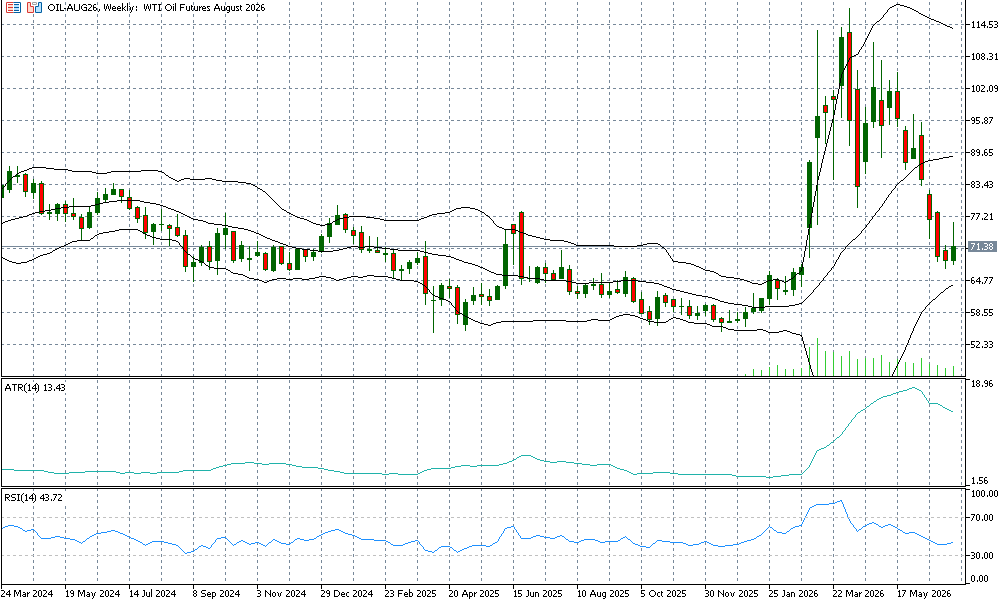
Oil prices edged higher on Friday and remained on track for strong weekly gains as investors continued to assess the balance between escalating geopolitical tensions in the Middle East and the resilience of global crude oil supplies. Although renewed military exchanges between the United States and Iran have kept supply risks elevated, stable oil flows from the Persian Gulf have prevented a sharper rally in crude prices. Oil prices edged higher on Friday and remained on track for strong weekly gains as investors continued to assess the balance between escalating geopolitical tensions in the Middle East and the resilience of global crude oil supplies. Although renewed military exchanges between the United States and Iran have kept supply risks elevated, stable oil flows from the Persian Gulf have prevented a sharper rally in crude prices.
The latest escalation followed another round of US military strikes targeting Iranian military infrastructure. According to US officials, the operation was aimed at reducing Tehran’s ability to threaten commercial shipping through the strategically important Strait of Hormuz. In response, Iran launched missile and drone attacks against several US-aligned countries in the Gulf region, including Bahrain, Kuwait, Qatar, and Jordan, marking one of the most significant military exchanges since the interim ceasefire agreement reached earlier this year. US President Donald Trump stated that recent attacks on commercial shipping had effectively ended the fragile ceasefire and warned that the United States would respond decisively if Iran continued to target international maritime routes. Despite the heightened rhetoric, diplomatic efforts remain ongoing, with Iranian Foreign Minister Abbas Araghchi holding discussions with regional officials from Saudi Arabia, Oman, and Turkey in an effort to prevent further escalation.
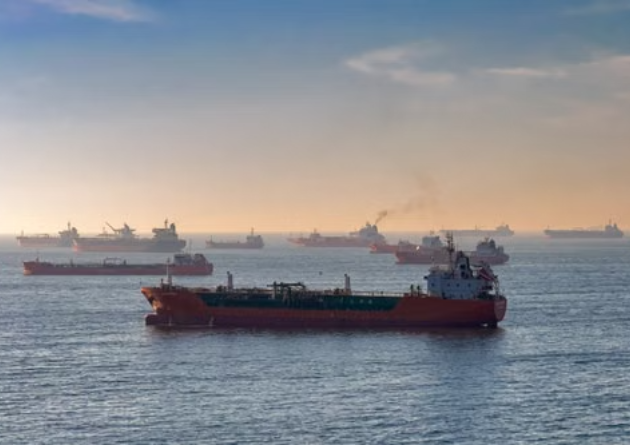
The Strait of Hormuz continues to remain the primary focus for energy markets, as approximately one-fifth of the world’s oil consumption passes through the narrow waterway. While several shipping companies temporarily delayed vessel movements following recent attacks, tanker traffic has gradually resumed under enhanced security measures. Market participants have interpreted the continued flow of crude exports as a sign that immediate supply disruptions remain limited. Fundamentally, global oil markets continue to receive support from resilient demand and disciplined supply management by major producers. At the same time, expectations that Iranian crude exports could remain largely available have helped offset some geopolitical concerns, limiting the upside in oil prices despite elevated regional tensions.
Investors are also closely monitoring the broader macroeconomic environment. Federal Reserve officials have continued to emphasize that future monetary policy decisions will remain data dependent, with inflation and labor market conditions guiding the outlook for interest rates. Softer US inflation readings have eased expectations of additional aggressive policy tightening, improving the demand outlook for energy consumption by supporting global economic activity. Despite the recent recovery in crude prices, analysts believe sustained upside will likely require a significant deterioration in Middle East security conditions. The greatest risks to oil markets would emerge if military conflict directly threatens oil production facilities, export infrastructure, or commercial shipping through the Strait of Hormuz. Any disruption to Gulf crude exports could rapidly tighten global supplies and push prices sharply higher. Looking ahead, investors will closely monitor military developments, diplomatic negotiations, tanker movements through the Strait of Hormuz, and upcoming economic data for further direction. While geopolitical uncertainty continues to underpin oil prices, the resilience of Gulf crude exports and expectations that the conflict will remain contained have so far prevented a broader supply shock, leaving crude prices supported but below the highs reached during the peak of the recent tensions.