
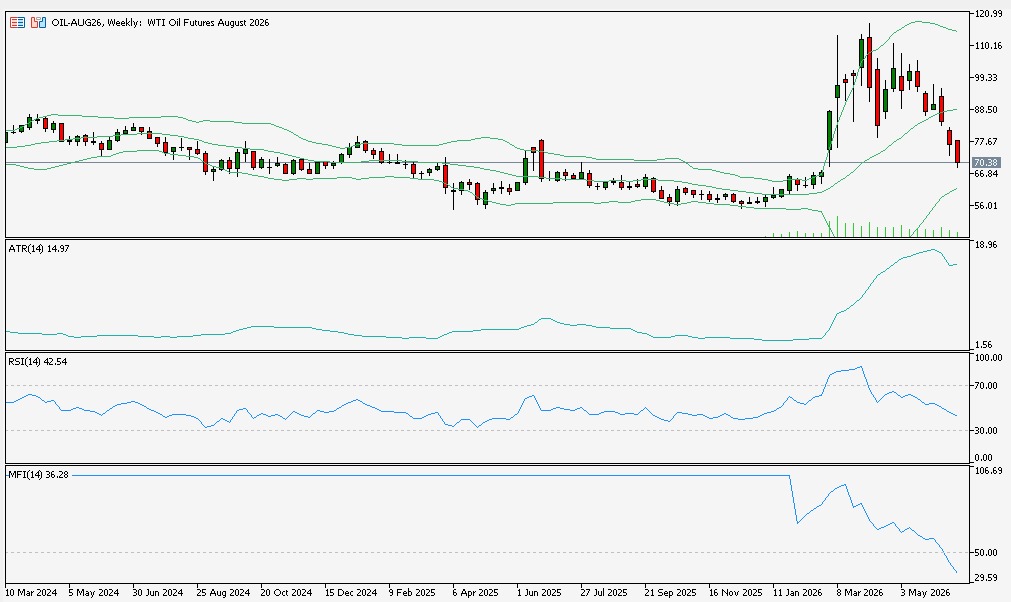
Oil prices continued their downward trajectory on Thursday, marking a fourth consecutive session of declines as concerns surrounding Middle East supply disruptions eased further. Improved shipping activity through the Strait of Hormuz, coupled with expectations of recovering Iranian oil exports, weighed heavily on crude markets and pushed prices back to levels seen before the recent US-Iran conflict. West Texas Intermediate (WTI) crude futures fell to around $69.50 per barrel, while Brent crude also extended losses as traders continued to unwind the geopolitical risk premium that had been built into prices during the height of regional tensions. The recent selloff has effectively erased most of the gains triggered by fears of supply disruptions earlier this year.
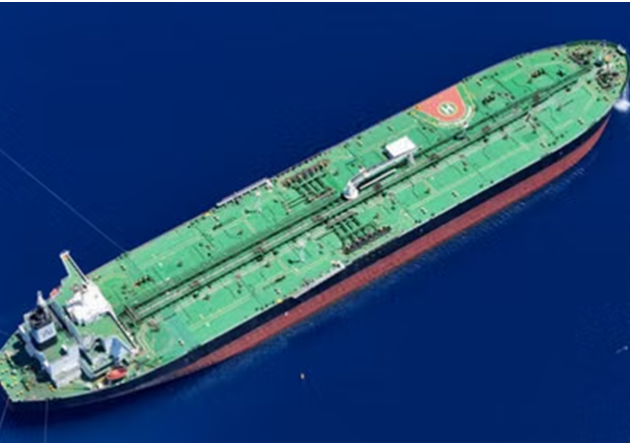
Investor focus remained centered on the Strait of Hormuz, one of the world’s most strategically important energy corridors through which roughly 20% of global oil consumption passes. During the peak of the conflict, concerns over shipping disruptions and potential blockades fueled a sharp rally in crude prices. However, market sentiment has improved significantly following reports that vessel traffic through the waterway is steadily returning to normal levels. US Energy Secretary Chris Wright stated that oil flows through the Strait of Hormuz have largely normalized, with approximately 20 million barrels of crude passing through the channel during the previous 24 hours under enhanced military protection. Shipping data also indicated that more tankers are resuming regular operations after weeks of uncertainty, helping to ease fears of a prolonged disruption to global energy supplies. Adding to the bearish outlook, investors are increasingly optimistic that Iranian oil exports could recover in the coming months. Expectations of limited sanctions relief and easing hostilities between Washington and Tehran have reduced concerns about a sustained supply shortage. Market participants believe that additional Iranian barrels returning to international markets could improve global supply conditions and place further pressure on oil prices.
Trump reiterated that negotiations with Iran remain active and expressed confidence that diplomatic progress could help stabilize the region. Although uncertainties remain, investors have become more optimistic that both sides may avoid a broader conflict that could threaten global energy infrastructure. Meanwhile, traders continue to assess the broader macroeconomic environment and its implications for oil demand. Federal Reserve officials have maintained a cautious stance on monetary policy, emphasizing that future interest-rate decisions will depend on incoming economic data. While softer inflation readings have improved expectations for eventual policy easing, policymakers remain focused on ensuring that inflation continues to move toward target levels.
From a fundamental perspective, mixed US inventory data offered little support to crude prices. According to the Energy Information Administration, commercial crude inventories declined by more than six million barrels during the latest reporting week, marking a larger-than-expected draw and signaling continued demand for crude. Inventories at the Cushing, Oklahoma delivery hub also fell to their lowest level in more than a decade. Looking ahead, oil markets are likely to remain sensitive to developments surrounding US-Iran relations, shipping activity through the Strait of Hormuz, and broader global economic conditions. While the easing of geopolitical tensions has reduced immediate supply concerns, traders remain alert to any developments that could quickly reignite volatility in energy markets.