
Gold prices came under fresh selling pressure on Friday after briefly rising toward the $4,009 level during the Asian session. The metal is now trading near the lower end of its daily range, showing that buyers are struggling to maintain control. With prices hovering close to the monthly low, the overall setup remains weak, especially as the broader fundamental environment is not strongly supportive for bullion.
One of the major reasons behind this weakness is the sharp rally in crude oil prices. Oil has jumped by more than 10% this week as renewed clashes between the U.S. and Iran increased fears of supply disruptions. Higher oil prices can feed into future inflation, which may force the Federal Reserve to keep interest rates elevated for a longer period. This reduces the appeal of gold because gold does not offer any yield or interest income.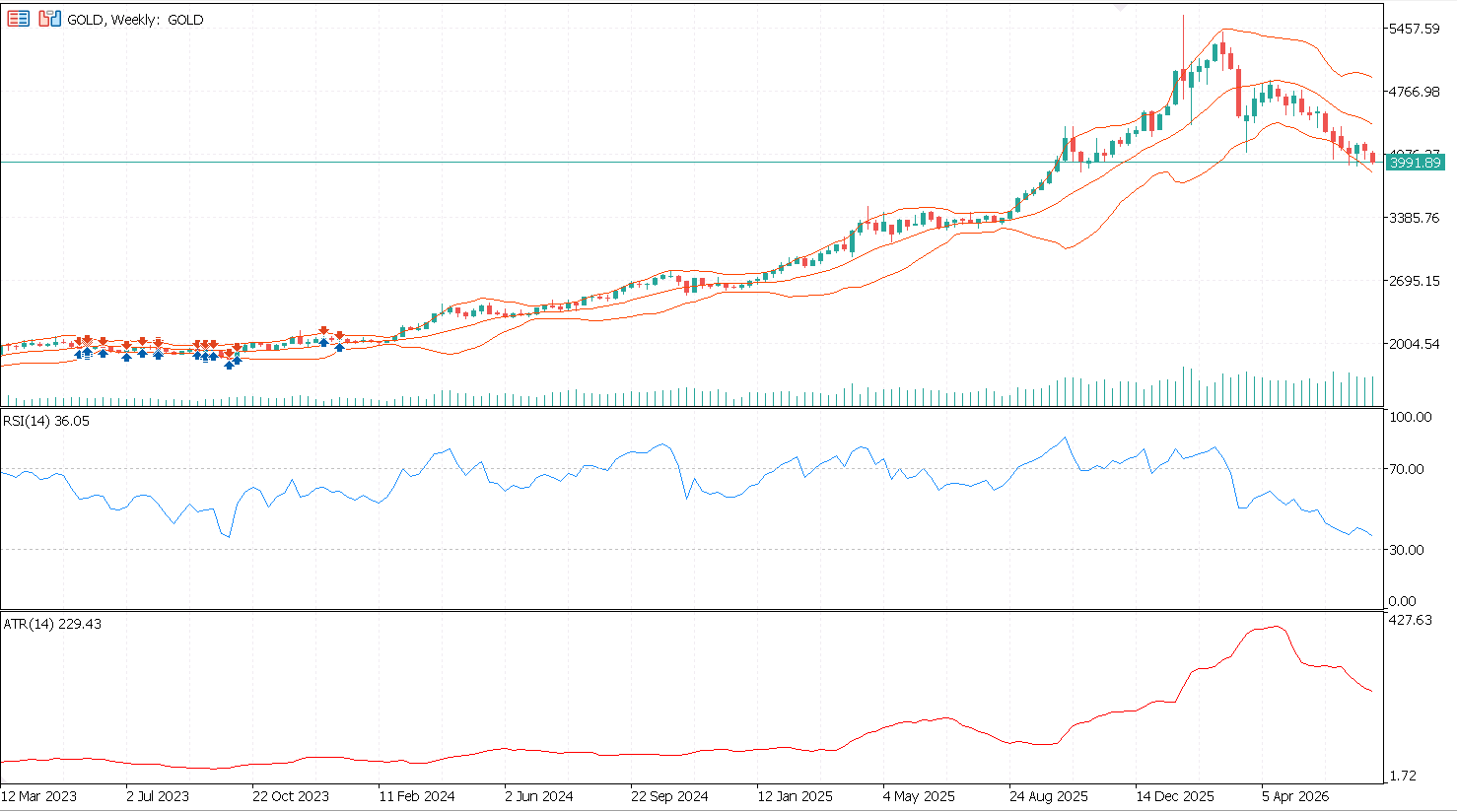
The rise in inflation expectations has also supported the U.S. dollar, creating additional pressure on gold. When the dollar strengthens, gold becomes more expensive for buyers using other currencies, which can reduce demand. As a result, even though geopolitical tensions usually support safe-haven assets like gold, the market is currently more focused on inflation, interest rates, and dollar strength.
Meanwhile, the U.S.–Iran conflict appears to be entering a more dangerous phase. Both sides intensified attacks on Thursday, with Iran reportedly expanding its response beyond traditional military targets. Civilian infrastructure in southern Iran, including power facilities and a train station, was reportedly hit, while Iran retaliated with missile and drone attacks targeting U.S.-allied Gulf nations. Tensions around the Strait of Hormuz also remain high, as the U.S. continues to intercept commercial vessels attempting to challenge its naval blockade near Iran.