
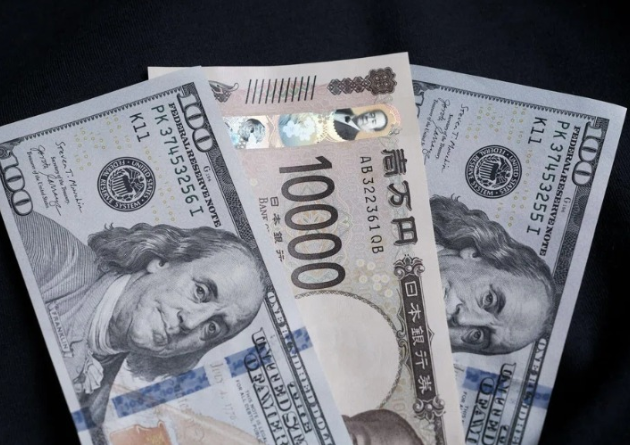
The U.S. dollar strengthened on Monday, recovering from last week’s losses as investors remained cautious about the outlook for U.S. interest rates. Meanwhile, the Japanese yen continued to trade near multi-year lows, keeping markets alert for potential intervention by Japanese authorities.
Investor attention this week is centered on the minutes of the Federal Reserve’s June policy meeting, which are expected to provide further insight into the interest rate outlook and the central bank’s communication strategy under new Chair Kevin Warsh.
The greenback came under pressure last week following weaker-than-expected U.S. nonfarm payrolls data for June, which fueled speculation that the Federal Reserve may have limited room to continue raising interest rates.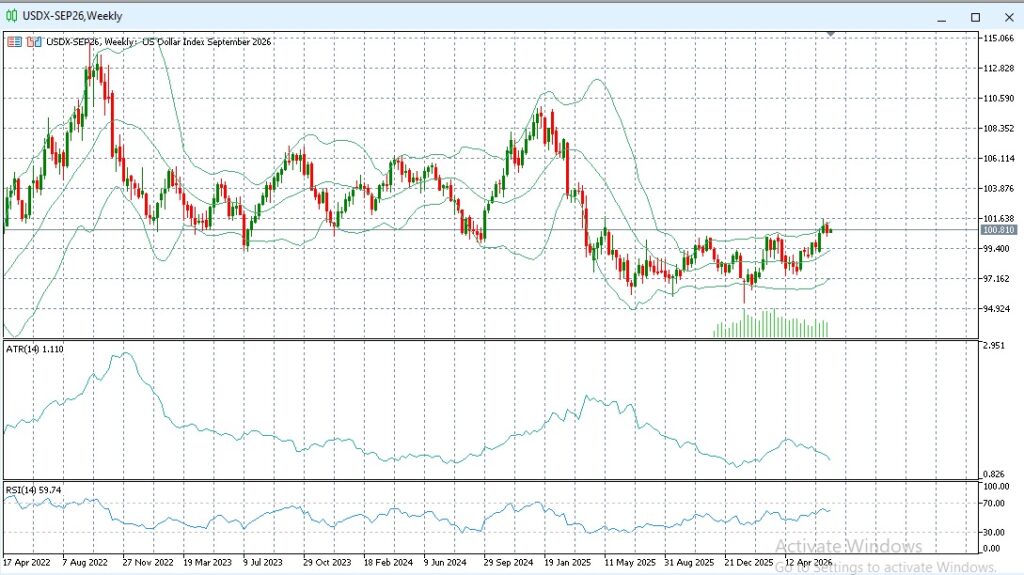
However, the dollar’s downside remained contained as investors continued to weigh the possibility of a hawkish Fed. Minutes from the central bank’s June policy meeting indicated that policymakers were increasingly supportive of further rate hikes in response to persistent inflationary pressures.
Market participants now await the release of the June FOMC meeting minutes later this week for additional clues on the Fed’s policy outlook. However, the extent of fresh guidance may be limited after Fed Chair Kevin Warsh recently called for an overhaul of the central bank’s communication strategy with the public.
The USD/JPY pair climbed 0.3% to 162 on Monday, leaving the Japanese yen trading close to its weakest level since 1986. The pair had tumbled following last week’s soft U.S. employment data but rebounded swiftly by the end of the week.
The Japanese yen remained under pressure as the wide interest rate differential between the United States and Japan continued to favor the dollar. Concerns over the prospect of increased government spending in Japan also weighed on the currency.
The USD/JPY pair stayed comfortably above the 160 level—a threshold that has previously prompted Japanese authorities to intervene in the foreign exchange market. In recent weeks, officials have issued repeated verbal warnings against excessive speculation in the yen, keeping investors alert for the possibility of direct market intervention.
The yen’s weakness persisted despite the Bank of Japan’s interest rate hike in June and its signal that further monetary tightening could be on the horizon.
Analysts at ING noted that while softer U.S. economic data has provided some short-term support for the yen, stronger hawkish guidance from the Bank of Japan will likely be needed to prevent a renewed rise in the USD/JPY pair following any government intervention.
Japanese authorities were last seen intervening in the currency market in late April and early May, temporarily driving the USD/JPY pair down to around 155. However, the dollar quickly regained momentum, with the pair climbing back toward the 160 level that has historically heightened expectations of further intervention.