

Oil prices trended downward during Friday’s Asian trading session, positioning the market for a notable weekly decline of over 4%. This shift comes as West Texas Intermediate (WTI) crude futures dropped 0.8% to settle around $93.72 per barrel. The primary driver behind this cooling period is a significant reduction in the “risk premium” that had previously bolstered prices; as the immediate threat of military escalation in the Middle East appears to subside, investors are recalibrating their expectations and pulling back from the aggressive hedge positions that characterized earlier weeks.
The sudden pivot toward de-escalation is largely attributed to a diplomatic opening between Washington and Tehran. U.S. President Donald Trump announced a 10-day pause on potential strikes against Iran’s energy infrastructure, noting that negotiations are “going very well.” While Iranian officials have maintained a more guarded and cautious tone regarding the progress of these talks, the mere prospect of a breakthrough has been enough to soothe a jittery market. This pause follows a pattern of volatility where prices have surged on threats of conflict only to retreat sharply whenever signals of a diplomatic resolution emerge.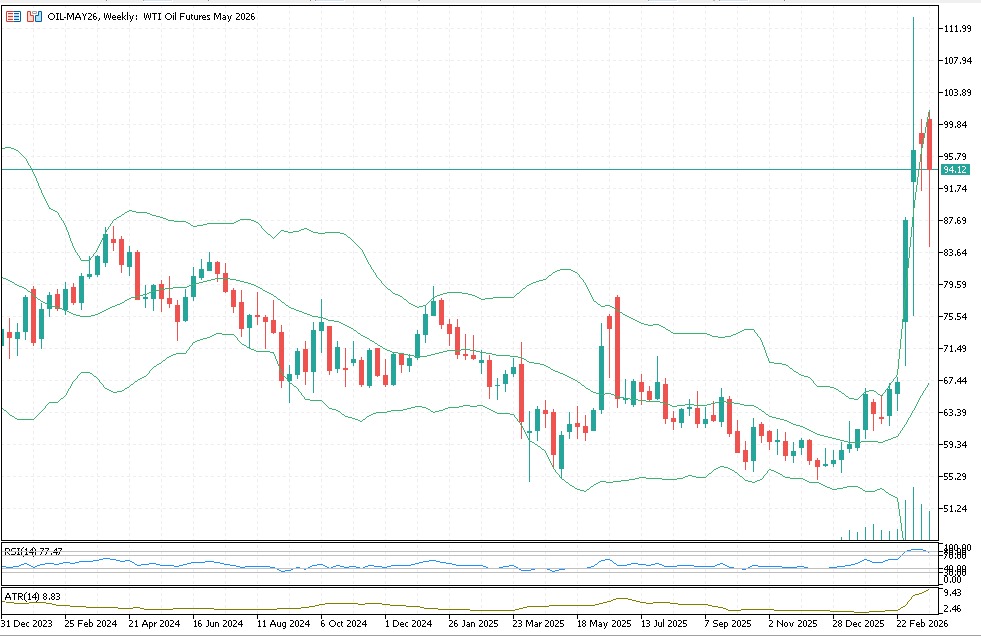
A major point of relief for global energy markets is the diminished threat to critical maritime logistics, specifically the Strait of Hormuz. As a vital chokepoint for a massive portion of the world’s daily oil supply, any instability in this region tends to send prices skyrocketing. The recent cooling of tensions involving the United States, Israel, and Iran has alleviated fears of prolonged supply disruptions or attacks on shipping routes. Traders who were once bracing for a major supply shock are now reassessing the likelihood of long-term infrastructure damage, leading to the current price correction.
Despite this recent downward trend, energy costs remain historically high compared to the period preceding the current conflict. The market continues to display a high degree of sensitivity to geopolitical headlines, as evidenced by the sharp drop in prices earlier this week following the delay of planned military strikes. While the current 10-day window offers a temporary reprieve, the underlying fundamentals of the market suggest that prices will likely stay elevated until a more permanent and verifiable diplomatic framework is established between the regional powers.